



Expanded Metals
Please click on "Offer Request" button below to send your offer and detailed information request to the company for the Expanded Metals product.
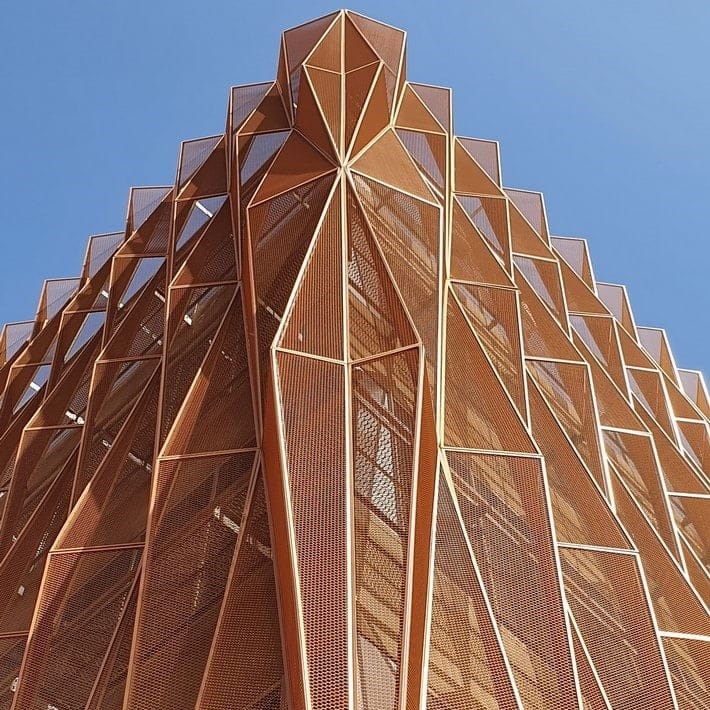
- Construction: Used as facades, sunshades, ceilings, and partitions due to their lightweight, durability, and aesthetic properties.
- Industrial Applications: Utilized for walkways, platforms, and safety barriers as they provide a non-slip surface and are structurally strong.
- Security: Employed in fencing, enclosures, and window guards to add protection without compromising visibility.
- Filtration: Ideal for filters in ventilation, air conditioning, and industrial filtration systems, thanks to their porous structure.
- Decoration: Frequently used in interior and exterior design for decorative panels, furniture, and art installations, adding texture and a modern look.
- Their versatility and structural benefits make expanded metals a preferred choice in diverse settings.
• Durability: The cutting and stretching process strengthens the metal, making it highly resistant to impacts and external factors.
• Lightweight: The perforated structure created by the expansion process reduces the overall weight of the material while maintaining its strength.
• Non-slip Surface: Expanded metals provide a textured, non-slip surface, enhancing safety in industrial applications such as platforms and stair treads.
• Air and Light Permeability: The porous structure allows for ventilation and light passage, contributing to energy efficiency in applications like facades and sunshades.
• Flexibility and Customization: Expanded metals can be produced with various patterns, mesh sizes, and shapes, allowing customization to meet specific project requirements.
• Corrosion Resistance: When made from materials like stainless steel or aluminum, expanded metals resist corrosion and are durable in outdoor conditions.